
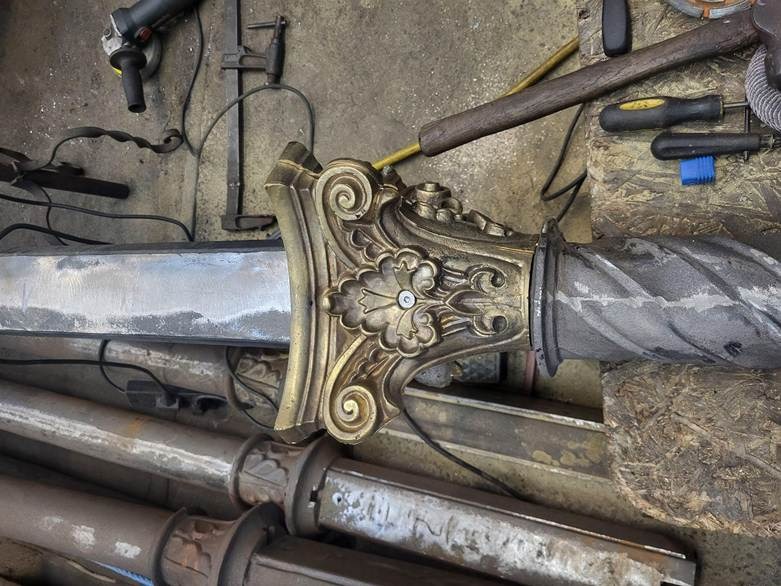
A bronze and brass casting service can help restore old buildings, replace missing metal details, and create custom features for architectural projects. Bronze and Brass is strong, long-lasting, and well suited to detailed designs. As a result, it has been used for many types of decorative and functional metalwork.
For heritage buildings, the right casting work can help keep the original look of a property. It can also provide a way to replace damaged parts without changing the whole design. From small decorative pieces to custom architectural details, Bronze and Brass casting offers many options.
At Bronze Iron Art Studio, our foundry work includes bronze, brass, copper, aluminium, and other metals. We also focus on metal restoration and traditional craft. This mix of skills can help when a project needs a new cast part or a close match for an older feature.
What Is a Bronze Casting Service?
A Bronze and Brass casting service makes metal parts by pouring molten Bronze and Brass into a mould. Once the metal has cooled and hardened, the part is removed and finished. This method can create shapes that may be hard to make by cutting or bending metal alone.
Bronze and Brass casting works well for both plain and detailed forms. For example, it can be used to make decorative panels, fittings, ornaments, and custom parts. The final result depends on the design, the mould, the metal mix, and the skill used during finishing.
For heritage work, casting has one key benefit. It can help reproduce a missing or damaged part while keeping the look of the original design. This matters when a building has unique details that are not readily available in standard products.
However, each project needs careful planning. The new part must suit its purpose, fit the space, and match the look of nearby features. A good Bronze and Brass casting service will consider these needs before work begins.
Why Is Bronze and Brass Used for Architectural Metalwork?
Bronze and Brass has been used in art and building design for many years. It is valued for its strength, rich colour, and ability to show fine detail. It can also develop a natural surface patina over time or, immediately, by using various chemicals.
This mix of looks and function makes Bronze and Brass useful for many types of architectural work. It may suit door fittings, plaques, decorative trim, brackets, and custom ornaments. It can also be used for special parts that need a clear, detailed shape.
Bronze and Brass can work well in both old and new buildings. In a heritage setting, it may help match the style of the original metalwork. In a new project, it can add a classic look with a custom design.
Still, Bronze and Brass is not the right choice for every part. The best metal depends on the part’s job, size, location, cost, and exposure to the weather. A foundry expert can help you weigh these factors before you choose a material.
Bronze and Brass Casting for Heritage Buildings
Heritage buildings often have metal details that help define their style. These may include old door fittings, plaques, ornaments, rail parts, and other custom features. Over time, such items can wear down, break, or go missing.
Replacing them can be hard when the design is rare. A standard part may not match the size, shape, or fine detail of the original. In these cases, custom metal casting can offer a more suitable option.
Replacing Missing or Damaged Parts
A cast replacement can help bring back a lost detail. First, the team needs to study the part or the space where it once sat. Old photos, drawings, or a matching sound sample may help guide the design.
Next, the size and shape need to be checked. The new piece should fit the building and suit the surrounding parts. This is vital when the item joins other metalwork or must fit into a set space.
The aim is not always to make the new piece look brand new. On a heritage site, the finish may need to complement the building’s age and style. The right choice depends on the site, the owner’s goals, and any applicable rules.
Keeping the Original Style
Small details can make a big change to the look of a building. A leaf pattern, curved edge, or raised mark may seem minor. Yet, it can be a key part of the whole design.
Architectural Bronze and Brass casting can help copy these shapes with care. It may be used when a feature has a complex form that would be hard to make by hand alone. The design stage is vital, since errors in size or shape can stand out once the part is in place.
Before work starts, gather any photos, plans, or old parts that may help. These can give the maker a clearer view of the design. They can also reduce guesswork and help the new part fit the building.
How Does the Bronze and Brass Casting Process Work?
The exact steps depend on the part and the foundry method. Still, most custom casting work follows a clear path from design to final checks.
1. Review the Part and Its Purpose
First, the foundry needs to know what the part must do. Is it a decorative feature, a fitting, or a part that must bear a load? The answer affects the design and the choice of metal.
For heritage work, the team may also need to review the age and style of the building. This helps set goals for the look and fit of the new part.
2. Make or Prepare the Pattern
A pattern is a model used to form the mould. It sets the shape and size of the cast piece. Depending on the job, it may be made from an existing part, a drawing, or a new design.
If the part is old, the pattern stage may need extra care. The team must check small details and note any signs of wear. Where possible, a clear sample or good image can help guide the work.
3. Create the Mould
The mould forms the space that the molten Bronze and Brass will fill. It must suit the part’s shape and detail. A simple shape may need less work than a piece with fine lines or deep curves.
The choice of mould method depends on the design, size, and number of parts needed. This is one reason why a custom quote is useful. It lets the foundry assess the work before giving a price or time frame.
4. Cast the Bronze and Brass
The Bronze and Brass is heated until it melts, then poured into the mould. The metal fills the shape and begins to cool. The foundry must control this stage carefully to help ensure a sound part.
Once the metal has cooled, the cast piece can be removed. At this point, it may still need work before it is ready to use.
5. Clean and Finish the Part
The cast piece may need extra metal removed from its edges. The surface also needs cleaning, smoothing, or other finish work. These steps help improve the part’s appearance and fit.
For a heritage project, the finish matters as much as the shape. The new piece may need to match nearby metalwork or suit the building’s age. The right finish should be agreed before the work is complete.
6. Check the Fit and Detail
Finally, the part should be checked against the design and its intended use. Key points include size, shape, surface finish, and any fixing points. If it must fit an old feature, a test fit may be useful before final fitting.
Careful checks can help spot issues before the part reaches the site. This can save time and reduce the risk of extra work later.
Bronze Casting Service or Brass Casting Service?
Bronze and brass can both suit decorative metalwork. Yet, they are not the same material. Each has its own mix, colour, and working traits. The best choice depends on the needs of the job.
A brass casting service may suit parts where the colour, finish, and design call for brass. Brass is often known for its warm yellow tone. Bronze tends to have a deeper, red-brown look, though the exact shade can vary.
Both metals can be used to make detailed shapes. They may suit fittings, plaques, ornaments, and other custom items. However, you should not choose by colour alone. The part’s use, exposure, and design all matter.
If you are unsure which metal to use, explain the job to the foundry. Share the size, location, and look you want. A clear talk at the start can help you pick a material that suits the project.
What Types of Parts Can Be Cast in Bronze,Bass?
The best uses depend on the design and the foundry’s skills. Bronze and Brass casting can suit many custom pieces for buildings, gardens, and decorative work.
Examples may include:
- Decorative panels: Custom shapes for walls, doors, or other features.
- Plaques and signs: Cast details for names, marks, or memorials.
- Architectural ornaments: Special pieces that add detail to a building.
- Door and gate details: Custom parts that suit a set design.
- Brackets and fittings: Parts made to fit a planned space.
- Replacement details: New cast parts that match damaged or missing features.
Not every part can be copied in the same way. The size, shape, metal, and purpose all affect the method. If the part has a key role in safety or support, it may need added design checks before it is made.
What Should You Prepare Before Asking for a Quote?
A clear brief helps the foundry judge the work. It can also help you get a quote that reflects the real needs of the job.
Before you ask for a price, try to gather:
- Photos: Show the part from more than one angle.
- Size details: Give the height, width, depth, and any key gaps.
- Drawings or plans: Share these if you have them.
- A sample part: If safe and practical, an old piece may help show the shape.
- Metal choice: State if you need bronze or want advice on the best metal.
- Finish goals: Explain whether you want a smooth, aged, or close-match finish.
- Quantity: Say how many parts you need.
- Use and location: Explain where the part will go and what it must do.
If the work is for a listed or protected building, check the rules before you make changes. You may need approval for some types of work. It is better to know this early than to change the plan later.
Why Choose a Specialist Foundry for Custom Metal Casting?
Custom casting needs more than a mould and molten metal. It also calls for a sound plan, an eye for detail, and a clear grasp of how the finished part will be used.
A specialist foundry can help review the design, select a suitable method, and plan the finish. For heritage work, restoration skills can also help when the goal is to match an older part.
Bronze Iron Art Studio works with bronze, brass, copper, aluminium and other metals. Its foundry work is linked to a broader focus on restoration and traditional metalwork. This can be useful when a project calls for both casting skills and an understanding of older metalwork.
Each job is different, so it is wise to discuss the part before making a choice. Ask about the method, finish, likely lead time, and what details the foundry needs from you. A clear plan helps both sides understand the work.
How to Care for Cast Bronze and Brass Features
Bronze and Brass can last for many years, but care still matters. The right upkeep depends on the location, finish, and use of the part.
For outdoor items, check for loose fixings, damage, or signs of wear from time to time. Clean the surface with a method suited to the finish. Avoid harsh cleaners unless a metal care expert has said they are safe for that item.
Bronze and Brass will change colour as they age. This can be a natural part of its look, and some owners value the patina. However, if the part must match nearby metalwork, ask how to care for the finish before cleaning or polishing it.
For older or valued features, seek advice before using strong products or rough tools. Careful cleaning can help protect the surface and keep the piece looking right.
Discuss Your Bronze and Brass Casting Project
Bronze and Brass casting can restore lost details and create custom metalwork for heritage buildings. Share your photos, sizes, and design needs to help plan the right solution.
Need a Bronze and Brass casting service for your project? Contact Us today to discuss your needs and request a quote.
FAQs About Bronze and Brass Casting Services
1. What is a Bronze and Brass casting service used for?
A Bronze and Brass casting service makes custom metal parts from bronze, brass. These may include decorative details, plaques, fittings, ornaments, and replacement parts for old buildings. The best use depends on the item’s design, size, and purpose.
2. Can Bronze and Brass casting be used for heritage building repairs?
Yes, it can help replace missing or damaged details. The new part can be made to suit the shape and style of the old feature. First, the design and fit should be checked. You should also confirm any rules that apply to the building.
3. What is architectural Bronze and Brass casting?
Architectural Bronze and Brass casting means making Bronze and Brass parts for use in or around buildings. These can include decorative features, custom fittings, and other metal details. The aim is to make a part that suits the design and its planned use.
4. Is bronze better than brass for casting?
Neither metal is always better. Bronze and brass have different colours and traits. The best choice depends on the part, its setting, the finish, and the budget. Ask the foundry to explain which option suits your needs.
5. How much does custom Bronze and Brass casting cost?
The cost depends on the part’s size, shape, mould needs, finish, and number of pieces. A one-off item with fine detail may need more set-up work than a simple shape. Share photos and sizes to help the foundry assess the job.