
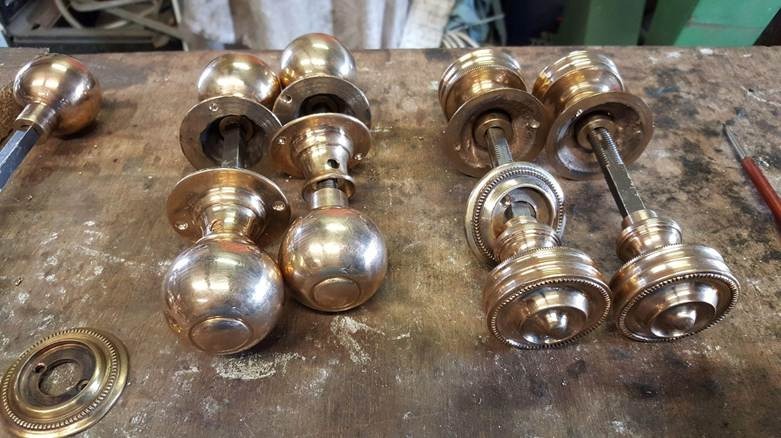
Bronze and Brass fabrication helps create strong, detailed metalwork for heritage buildings and modern spaces. It can shape Bronze and Brass into custom panels, fittings, trims, signs, and other building features. With the right design and finish, these parts can suit the style of an old property while meeting today’s needs.
Heritage projects often call for care. The metalwork may need to match old features, fit tight spaces, or keep a key part of the building’s look. Therefore, the choice of metal, finish, and fabrication method matters from the start.
This guide explains how Bronze and Brass fabrication works, which materials may suit your project, and how to plan for long-term use. It also covers design choices, care, and common questions to ask before work begins.
What Is Bronze and Brass Fabrication?
Bronze and Brass fabrication is the process of shaping and joining Bronze and Brass to make a finished part or structure. It may involve cutting, bending, forming, joining, and surface finishing. The exact steps depend on the design and how the part will be used.
For example, a project may need a custom Bronze and Brass panel for a wall or a set of decorative fittings for a doorway. Another job may call for trims, plaques, or metal details that match an older building. Each piece needs a plan that suits its size, shape, and purpose.
Fabrication differs from casting. Casting is a process of pouring molten metal into a mould. Fabrication often starts with metal sheets, plates, bars, or other stock, which workers then shape and join. Some projects may use both methods to create the final design.
The best method depends on the part. A simple flat panel may suit sheet fabrication, whereas a complex shape may require casting or a combination of methods. A skilled metalwork team can help you choose the right approach.
Why Use Bronze and Brass for Heritage Buildings?
Bronze and brass has a long history in art and architecture. It is known for its warm colour, strength, and ability to take on fine detail. These traits make it a useful choice for many types of custom metalwork.
For heritage buildings, bronze can help retain a classic look. It may suit door details, wall plaques, decorative trims, signs, and other features. It can also work well in new designs that need to sit beside older materials.
Bronze and Brass can change in colour as they age. Over time, the surface may form a patina. Some owners like this change because it gives the metal a rich, aged look. Others may prefer a more even finish.
However, Bronze and Brass is not always the best choice for every part. Cost, weight, location, and the job itself all matter. Before you choose, think about how the metal will look and work over time.
Key Materials Used in Bronze,Bronze Fabrication
Bronze and Brass is a family of copper-based alloys. The exact mix can change its colour, strength, and other traits. As a result, the type of Bronze and Brass used should suit the project rather than follow a single rule.
Choosing the Right Bronze and Brass Alloy
Different Bronze and Brass alloys serve different needs. Some may suit decorative features, while others may work better for parts that need added strength or wear resistance. The right choice depends on the design and its use.
For example, a wall plaque may have different needs from a fitting that people touch each day. An outdoor feature may also face rain, sun, and temperature fluctuations. These factors should guide the choice of material.
Ask your fabricator which alloy they plan to use and why. Also, ask how it may change in colour over time. This helps you make a clear choice before the work begins.
Bronze or Brass: What Is the Difference?
Bronze and brass may look alike at first, but they are different metals. Bronze is mainly made from copper and tin, though other elements may be added. Brass is mainly made from copper and zinc.
Bronze often has a deeper red-brown or warm brown tone. Brass often has a more yellow or gold-like colour. However, the exact look depends on the alloy and finish.
Brass and brass fabrication can suit projects that call for a bright, warm finish. It may work well for signs, trims, fittings, and decorative pieces. By contrast, bronze may be a better fit when the design calls for a darker or more traditional look.
Neither metal is always the better choice. Think about the style, cost, use, and care needs of the part. If you are unsure, ask the metalwork team to explain the options.
Architectural Bronze and Brass Fabrication: Where Is It Used?
Architectural Bronze and Brass fabrication can help create both useful and decorative parts. It gives designers more control over the size, shape, and look of a feature. This is helpful when a standard product does not suit the building.
Common uses include:
- Door and window details: Custom trims, handles, and other fittings.
- Wall panels: Decorative metal panels for indoor or outdoor use.
- Signs and plaques: Name plates, signs, and custom lettering.
- Decorative screens: Metal features that add detail while dividing a space.
- Building trims: Edges and borders that suit the wider design.
- Custom fittings: Parts made to fit a set space or design plan.
For heritage buildings, these items may need to match nearby features. The shape, size, and surface finish can all affect the final look. Therefore, it helps to study the original design before making a new part.
In some cases, the team may need to work from old drawings or photos. A sample part can also help guide the design. The more detail you can share, the easier it is to plan a close match.
How to Choose the Right Finish
The finish affects both the look and care needs of bronze. It can make a part seem bright and new or give it a softer, aged style. It can also change how the metal looks beside stone, wood, glass, and other materials.
Polished Bronze and Brass
A polished finish gives Bronze and Brass a smooth, bright look. It can suit signs, trim, and decorative features that need to stand out. However, a bright surface may show marks and scratches more clearly.
This finish may need regular care to keep its look. Before choosing it, ask how often the surface may need cleaning or polishing.
Brushed or Satin Bronze and Brass
A brushed or satin finish has a softer look than a high polish. It may suit modern spaces and heritage projects where a strong shine would feel out of place. It can also help reduce the look of small marks.
The final effect depends on the way the surface is worked. So, ask to see a sample before you approve the finish.
Aged Bronze and Brass and Patina
An aged finish can give Bronze and Brass a deeper tone. A patina may form over time through natural exposure, or a finish may be applied to create a set look. Both options can suit buildings that need a classic feel.
Still, natural aging can vary by location. One part may change colour faster than another due to weather or use. If a close match matters, ask how the finish will age and how it should be cared for.
Durability and Long-Term Care
Bronze and Brass can last for many years when the alloy, design, and finish suit the job. However, no metal feature is free from wear. The local climate, how people use the part, and how it is fitted can all affect its lifespan.
Outdoor Bronze and Brass may face rain, dust, air pollution, and strong sun. Indoor parts may show hand marks, cleaning product residue, or daily contact. Therefore, the care plan should match the setting.
For basic care, use a soft cloth and a gentle cleaning method that suits the finish. Avoid rough pads and strong cleaners unless a metal care expert says they are safe. These can mark the surface or change its colour.
It is also wise to check fixings and joints from time to time. Look for loose parts, damage, or signs of wear. If the Bronze and Brass is part of a heritage building, seek advice before polishing or changing its patina.
Design Considerations for Heritage Metalwork
Heritage projects need more than a good-looking metal part. The new work should also suit the building’s style, size, and use. A poor match can stand out, even if the metal itself is well made.
Match the Original Design
Start by looking at the shape and detail of the existing metalwork. Note the size, edges, patterns, and finish. If a part is missing, old photos or drawings may help show how it looked.
Next, decide how close the new piece needs to be to the original. Some projects call for a close copy. Others may allow a new design that fits the old style without copying every detail.
Check Size and Fit
Accurate sizes help prevent problems during fitting. Measure the space where the part will go, including the depth and any fixing points. If the part joins another item, check how the two pieces meet.
For complex work, a drawing or sample may help confirm the design. This is especially useful when the part must fit into an old opening or line up with other features.
Consider Weight and Fixings
Bronze and Brass can be heavy, depending on the size and thickness of the part. The wall, frame, or support must be able to carry the load. The fixing method should also suit the building and the part.
For older properties, avoid guessing about support needs. Ask a suitable expert to check the design if the part is large or has a key role. This can help prevent damage and improve safety.
Check Local Rules
Some heritage buildings have limits on changes to their outside features. You may need approval before replacing or adding metalwork. The rules depend on the building and its location.
Check this early in the project. That way, you can plan the design and timing around any required review.
What Is Custom Brass Fabrication?
Custom brass fabrication uses brass to make parts for a set design or purpose. It may involve cutting, shaping, joining, and finishing brass to create a finished feature. This can be useful when standard parts do not fit the space or style.
For example, a project may need a brass sign, trim, panel, or special fitting. Custom work gives you more control over the shape and size. It can also help you match other features in the building.
The process is much like bronze fabrication, but the choice of metal changes the final look and may affect the best method. Brass may suit a gold-like tone, while bronze may suit a darker finish better.
Before work begins, explain what the part must do and where it will be used. Share the size, finish, and any design samples you have. This gives the fabricator a clear brief.
How to Plan Your Bronze and Brass Fabrication Project
Good planning can save time and help prevent extra costs. Before asking for a quote, gather the details that will help the team understand the job.
Try to prepare:
- Photos of the area and any existing metalwork.
- Measurements of the part or space.
- Drawings, plans, or design ideas.
- The number of pieces you need.
- Your preferred metal and finish, if known.
- Details about indoor or outdoor use.
- Any rules or approval needs for the building.
- Your target date and budget range.
You do not need to know every technical detail. A fabricator can help you choose the right material and method. However, a clear brief makes it easier to assess the work.
Ask what the quote includes. Check whether it covers design, material, making, finish, delivery, and fitting. Also, ask about the expected time frame and how design changes may affect the cost.
Discuss Your Bronze and Brass Fabrication Project
Bronze and Brass fabrication can help create custom metalwork that suits heritage buildings and new designs. The right metal, finish, and plan can help your features look good and last for years.
Before you begin, gather photos, sizes, and any design details you have. Then speak with a metalwork team about the best method for your needs.
Need help with a custom bronze or brass project? Contact Bronze Iron Art Studio to discuss your design and request a quote.
FAQs About Bronze and Brass Fabrication
1. What is Bronze and Brass fabrication used for?
Bronze and Brass fabrication is used to make custom metal parts by shaping and joining Bronze and Brass. Common uses include panels, trims, signs, plaques, fittings, and decorative features. It can also help create parts for heritage building projects.
2. What is the difference between Bronze and Brass fabrication and Bronze and Brass casting?
Bronze and Brass fabrication often starts with metal sheets, plates, or bars. The metal is then cut, shaped, and joined. Bronze and Brass casting uses a mould filled with molten metal. Some projects may use both methods.
3. Is Bronze and Brass suitable for outdoor architectural metalwork?
Yes, Bronze and Brass can suit many outdoor uses. However, the alloy, design, finish, and local weather all matter. Ask the fabricator how the metal may age and what care it will need.
4. Is bronze better than brass for heritage buildings?
Not always. Bronze often has a darker, warmer tone, while brass often looks more yellow or gold-like. The best choice depends on the original design, the setting, and the needs of the part.
5. How much does Bronze and Brass fabrication cost?
The cost depends on the size, design, alloy, finish, and number of parts. Complex shapes and one-off designs may need more planning and work. Share photos and measurements to help the fabricator prepare a quote.